A blog post inspired by Craig Whittet’s D&T lecture.
What’s actually more expensive, a pair of £150 Dr Martens or £70 throwaway trainers?
So much of today’s world is centred around waste, replacement and temporary goods. What happened to investing in a long-lasting item that you really get your use out of - is there a place for both to co-exist?
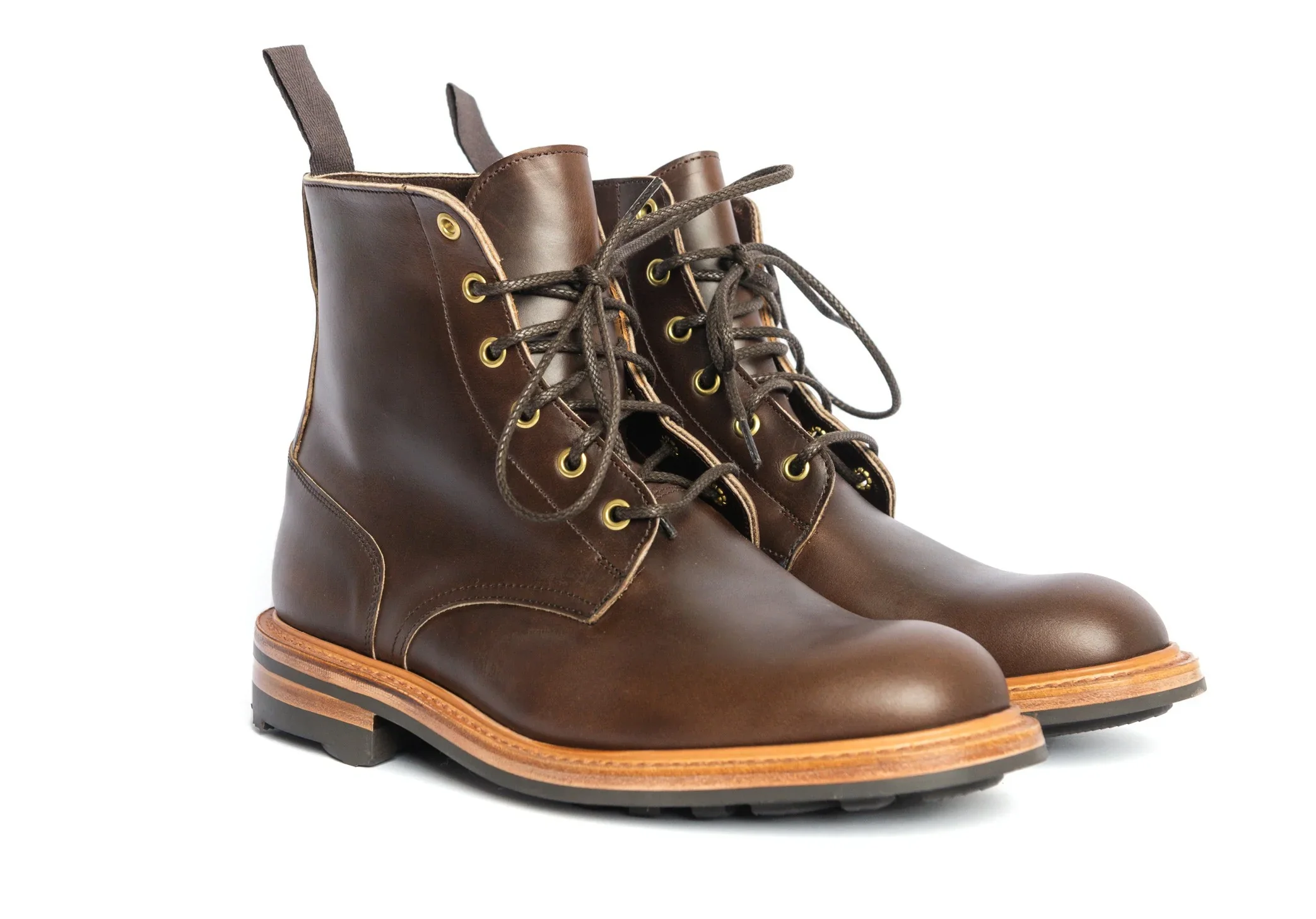
Tricker's Wychwood - Dark Brown Cavalier
Craig Whittet, the head of our degree course was preaching the value of the longevity in certain items. Notably, his 15 year old ‘Trickers’ shoes. Purchasing them at a discounted price of £250 directly from the factory whilst on a tour back in 2011, he’s since had the soles completely replaced and the shoes fully refurbished. This cost him an additional £60.
It might seem alien to spend over £300 on a pair of day-to-day shoes and go through the waiting process of shipping them away to get resoled. Nowadays you could go down to your local Clarks or Sports Direct and pick up an equally visually appealing pair for a fraction of the price.
So why wouldn’t you just replace them? What are we really paying for?
So why wouldn’t you just replace them? What are we really paying for?
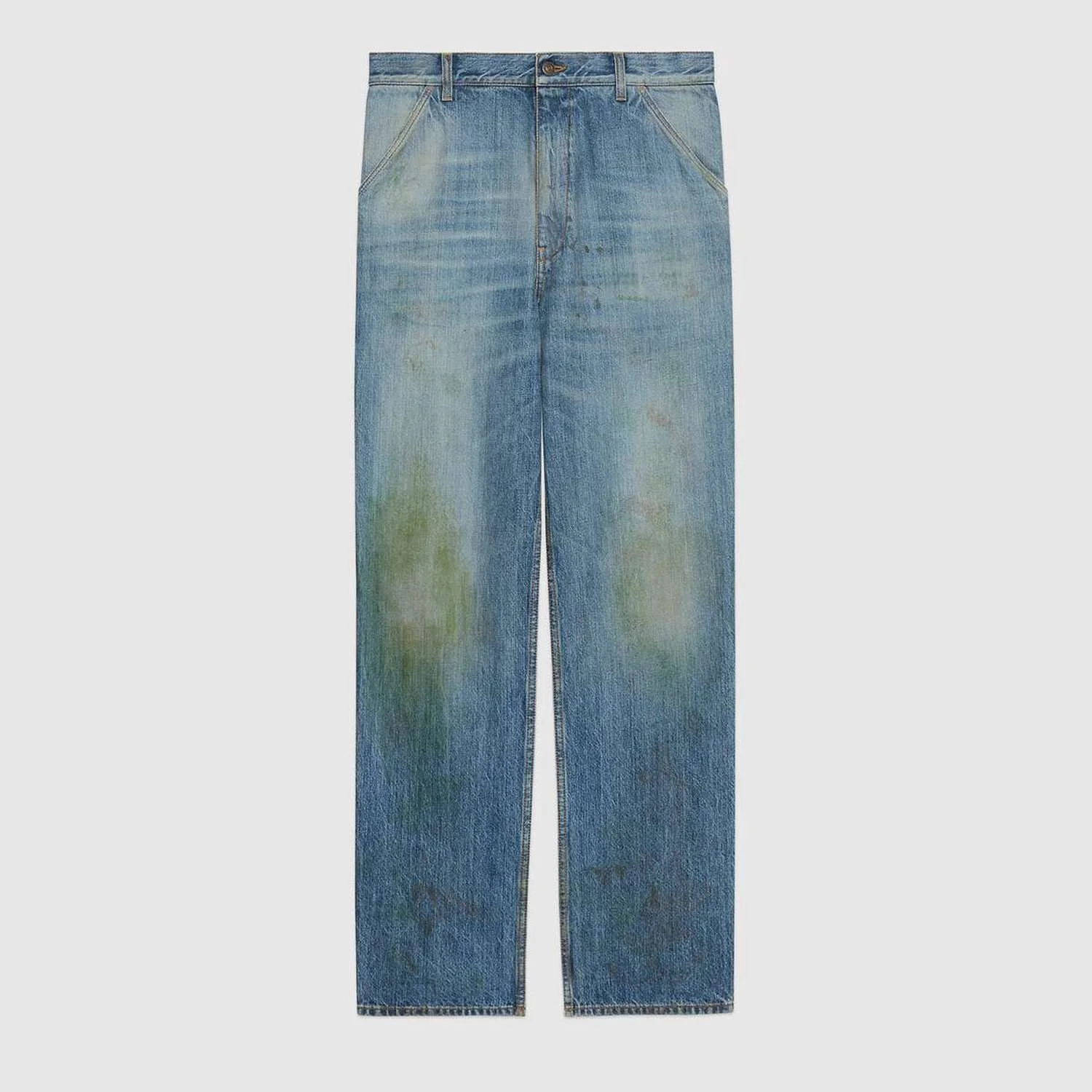
Gucci's Fall/Winter 2020 collection featured "eco washed" organic denim jeans with a deliberate grass-stained, distressed effect.
Designer brands have caused a culture-wide decensoring when it comes to pricing everyday items. A pair of grass-stained jeans went from being a fun, childhood weekend rolling around in the field to a £700 designer item, all because GUCCI put their logo on it.
There’s definitely value in brand names when it comes to authenticity, morals, quality and culture - but where’s the line? Higher pricing doesn’t always mean a product is of higher quality.
In a world of Klarna and other monthly payment schemes, even pricing has become a blurry concept. How much are we really paying? What are you getting in return for an expensive product? Is it more expensive because it lasts longer, or has better functionality? A good product is one that is made to be worn. One that is designed both to last a long time whilst also looking visually appealing. Made to be worn is a double entendre - to wear it as often as you want but also wear it out, get it worn down.
Here we find the real value. The price per wear. If you spend £150 on a high quality pair of shoes that you wear everyday for 2 years, you spend roughly 20p each time you step foot in them. On the other hand, spending £70 on a pair of cheaper quality shoes that you need to replace every 9 months is much less economical. It would lead you to spend almost 70p per wear over the same 2 year period, and have bought almost 3 different pairs.
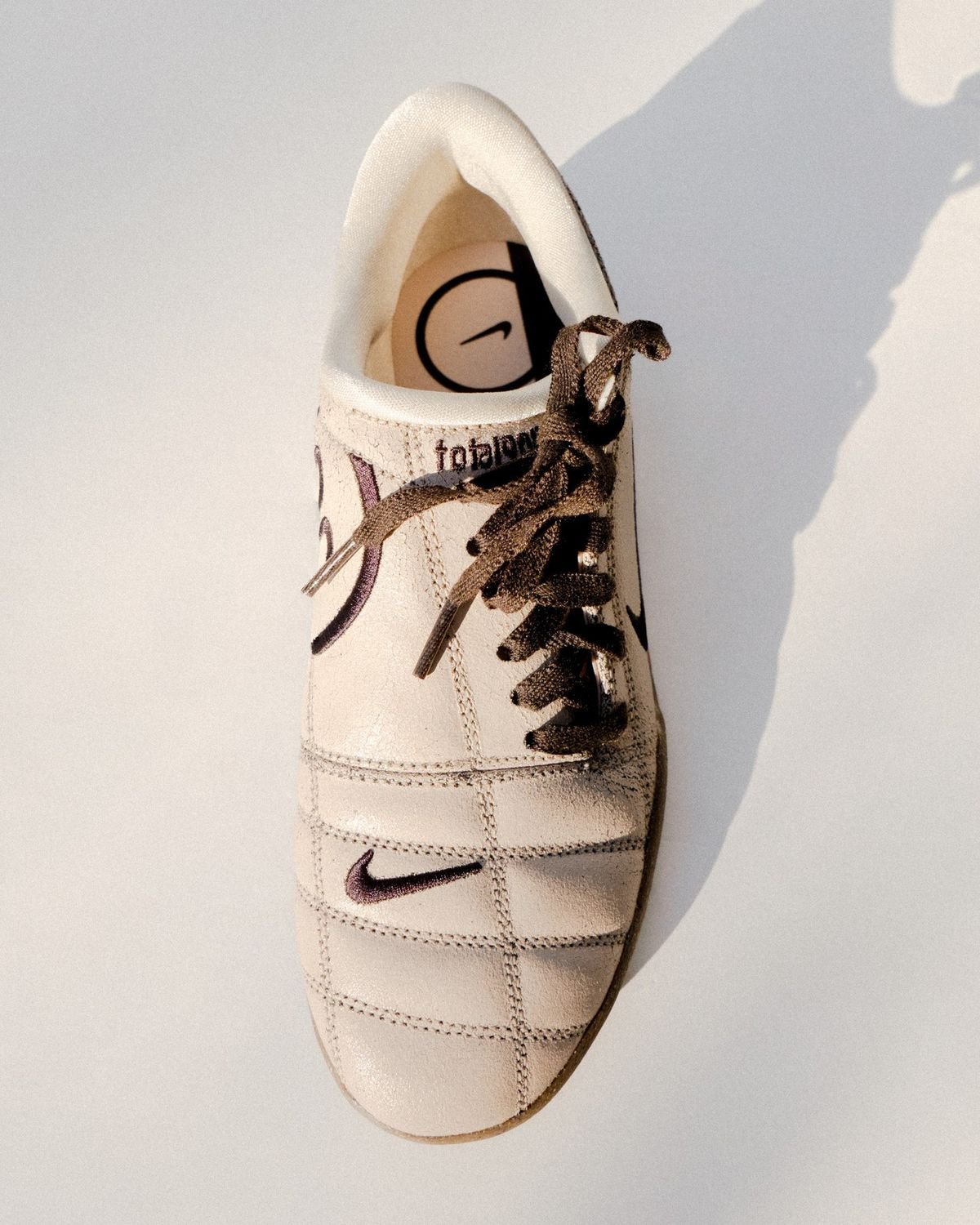
Nike ‘Total 90 Premium’ trainers in Fir Green and Pearl with Brown.
There is definitely a place for the products that fall into the cheaper quality, higher cost per wear category. A large amount of culture, fashion, art and sport have been built into this market, at no fault of their own. However, the routines and environments we live in do not prioritise the longevity of these items. Culturally, it’s harder to spend more money on the less '“cool”, better quality items that will serve us for years and outlast their competitors. The majority of us want to spend money on the items that make us feel more fashionable, respected and culturally relevant. This leads to a rapid decline in the condition of those items when we use them every day. These items could be celebrated by being more intentional with their use. Bringing them out on occasion makes us feel less guilty about watching them deteriorate.
What if we started preserving the cheaper upfront cost, more artistic items and using the made-to-last more initially expensive items. Large amounts of money would be saved, culture would feel more intentional and self expression would feel like less of a waste.
Wear the things that are made to be worn, enjoy the things that are meant to be enjoyed.
This goes for all walks of life, not just clothing. It’s the reason why we use ceramic plates instead of colourful paper ones, high-class technology instead of low-cost clunky machines. We’ve become slaves to instant gratification, impulse purchases. It’s time to invest in ourselves and our environments.